Keywords
Adaptive Immunity Aeromonas hydrophila anti-cancer antimicrobial activity antimicrobial resistance Aptamers bioactivities Biofloc Chymotrypsin Clarias gariepinus Crustacean Disease diagnosis Epigenetics Fish Crustaceans Glycerol Growth Hemocytes Hippocampus barbouri Immunophenotyping Innate immune memory Innate Immunity Lipid peroxidation Macrobrachium rosenbergii Middle East MrNV Nodavirus Nursing period plant extracts Prophylactic Seahorse Survival synergy Synthetic antibody Synthetic riboswitches Terpenes terpenoids Therapeutic Vaccine Water flow rate White tail disease
List of publications
- Influence of carbon/nitrogen ratios on biofloc production and biochemical composition and subsequent effects on the growth, physiological status and disease resistance of African catfish (Clarias gariepinus) cultured in glycerol-based biofloc systems
- FISH AND CRUSTACEANS: IMMUNE SYSTEM, VACCINE DEVELOPMENT AND IMPLICATIONS
- Feasibility of vaccination against Macrobrachium rosenbergii nodavirus infection in giant freshwater prawn
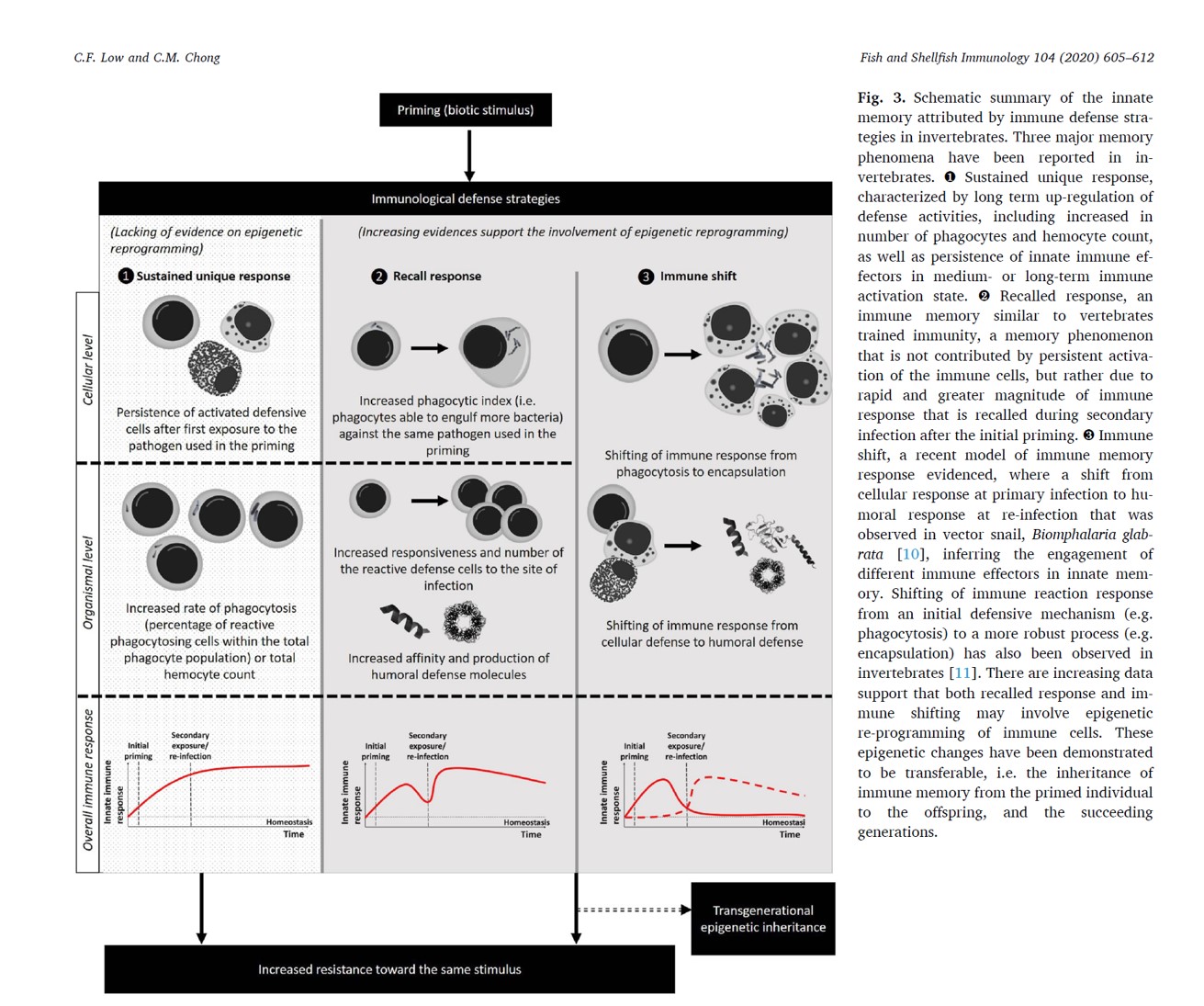
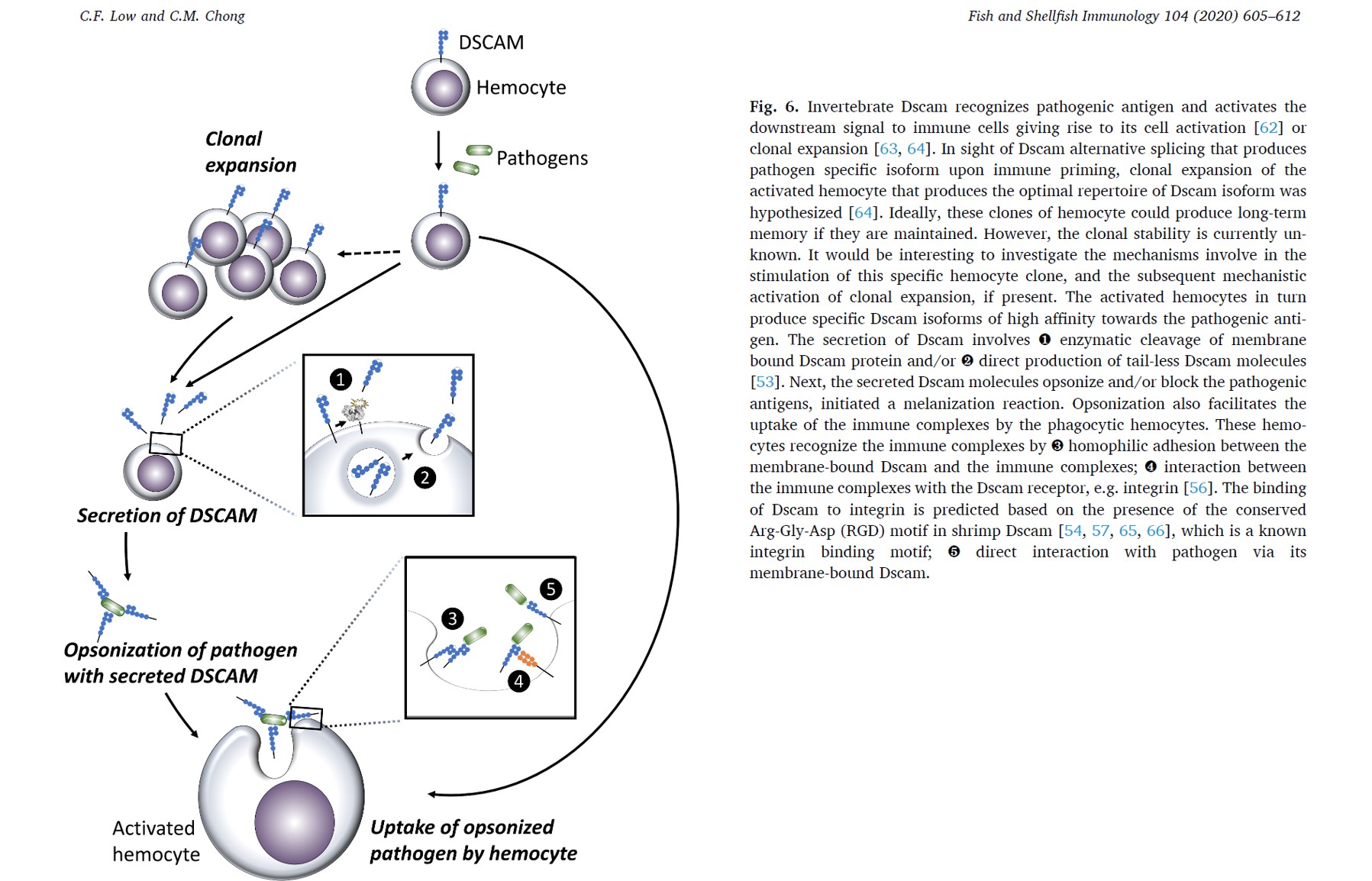
- Peculiarities of innate immune memory in crustaceans
- Terpene Derivatives as a Potential Agent against Antimicrobial Resistance (AMR) Pathogens
- Significance of water flow rate and period of nursing on the growth of juvenile seahorse, Hippocampus barbouri (Jordan and Richardson, 1908)
- Synthetic antibody: Prospects in aquaculture biosecurity
- Middle Eastern Plant Extracts: An Alternative to Modern Medicine Problems
- Influence of carbon/nitrogen ratios on biofloc production and biochemical composition and subsequent effects on the growth, physiological status and disease resistance of African catfish (Clarias gariepinus) cultured in glycerol-based biofloc systems
Dauda, A.B., Romano, N., Ebrahimi, M., Teh, J.C., Ajadi, A., Chong, C.M., Karim, M., Natrah, I. and Kamarudin, M.S., 2018. Influence of carbon/nitrogen ratios on biofloc production and biochemical composition and subsequent effects on the growth, physiological status and disease resistance of African catfish (Clarias gariepinus) cultured in glycerol-based biofloc systems. Aquaculture, 483, pp.120-130.

View Article
Abstract
The effects of increasing glycerol loading rates to create carbon to nitrogen (C/N) ratios of 0 (control), 10, 15 or 20 were investigated on the biofloc formation, biochemical composition and water quality, as well as the growth performance, feeding efficiencies, biochemical composition, trypsin/chymotrypsin enzyme activities, and liver glycogen of African catfish Clarias gariepinus after 6 weeks. Each treatment was triplicated and each replicate consisted of 25 juveniles (11.77 ± 0.01 g; mean ± SE). After six weeks, all fish were measured for growth, ten fish/replicate were used for additional analysis while ten fish/replicate were later challenged with the bacterial pathogen, Aeromonas hydrophila. Biofloc volume was significantly higher (P < 0.05) at C/N 20, but biofloc biomass was significantly higher (P < 0.05) at C/N 15. Dissolved oxygen was significantly lower (P < 0.05) at C/N 20 while total ammonia‑nitrogen was significantly higher (P < 0.05) in the control than the biofloc groups. Survival, growth, and feed utilization were similar among treatments (P > 0.05), but the input-output ratio significantly increased (P < 0.05) in the bioflocs groups. Fish muscle cholesterol, lipid peroxidation, serum triglyceride and serum cholesterol were all significantly lower (P < 0.05) in the biofloc groups, but liver glycogen was significantly higher (P < 0.05) in the C/N 15 treatment. Chymotrypsin activities were significantly higher (P < 0.05) in the biofloc groups, but trypsin was not different among the treatments. After challenging the catfish to A. hydrophila, survival was significantly higher (P < 0.05) in the C/N 15 and 20 groups, which was accompanied with less histopathological liver damage compared to those in the control or C/N 10 treatment. Overall, the results indicate that in a glycerol-based biofloc system, a C/N ratio of 15 led to the best balance of better water quality, nutritive value of C. gariepinus as well as their resistance to A. hydrophila.
- FISH AND CRUSTACEANS: IMMUNE SYSTEM, VACCINE DEVELOPMENT AND IMPLICATIONS
Chong, C.M. and Maha, A., 2014. Fish and Crustaceans: Immune System, Vaccine Development and Implications. Perspective of Fisheries and Aquaculture in Malaysia. Universiti Putra Malaysia Press, Selangor, pp.188-207.
View Article
Introduction
Fish are phylogenetically the first animal phylum to evolve adaptive immune responses in their defensive mechanisms (Magnadottir, 2010). Fish are an extremely diverse group comprising jawless vertebrates (e.g. lampreys and hagfish), cartilaginous fishes (e.g. sharks and rays) and teleost/bony fishes. However, their immune system is viewed to be not as advanced compared to mammals.
Conversely, crustaceans are invertebrates lacking adaptive immunity with only innate immune system. Several interesting questions concerning modern evolutionary theory can be asked: How do these animals with relatively less advanced immune system survive in aquatic habitats laden with microbes which potentially expose them to infectious diseases? Recent studies showed that crustaceans previsously exposed to weakened microbes can develop enhanced immunity and react more effectively to subsequent challenges of the same pathogen (Rodríguez and Le Moullac, 2000; Witteveldt et al., 2004a; Witteveldt et al., 2004b; Johnson et al., 2008; Li et al., 2008; Rowley and Pope, 2011). How is this achieved in crustaceans without an adaptive immune system with immunological memory?
The bookchapter covers the differences in the defensive mechanisms of fish (with the emphasis on teleost fish) and crustaceans, in particular on the immune system with inference to the discussion on probable evolutionary reasons and the implications on vaccine development. - Feasibility of vaccination against Macrobrachium rosenbergii nodavirus infection in giant freshwater prawn
Chen-Fei, L., Chou-Min, C. and Jiun-Yan, L., 2020. Feasibility of vaccination against Macrobrachium rosenbergii nodavirus infection in giant freshwater prawn. Fish & shellfish immunology.
View Article
Abstract
The giant freshwater prawn/giant river prawn, Macrobrachium rosenbergii is one of the high market value crustaceans cultured worldwide. The intensified aquaculture of the species has led to the outbreak of infectious diseases, prominently, the white tail disease (WTD). It is caused by the infection of Macrobrachium rosenbergii nodavirus (MrNV), which was classified in the family of Nodaviridae. To-date, there are no effective prophylactic and therapeutic agents available against MrNV infection. Vaccination is known to be the most effective prophylactic agent in disease prevention. However, vaccine development against virus infection in crustaceans is equivocal. The feasibility of vaccination in conferring immune protection in crustaceans against infectious diseases is disputable. The argument lies in the fact that crustaceans do not possess adaptive immunity, which is the main immune component that functions to establish immunological memory upon vaccination. Nevertheless, an increasing number of literatures has been documented, which concerns the development of vaccines against infectious diseases in crustaceans. The current review deliberates different approaches in vaccine development against MrNV, which were documented in the past years. It is noteworthy that the live-attenuated MrNV vaccine has not been experimented by far. Thus, the potential of live-attenuated MrNV vaccine in conferring long-term immune protection through the establishment of innate immune memory is currently being discussed.


- Peculiarities of innate immune memory in crustaceans
Low, C.F. and Chong, C.M., 2020. Peculiarities of innate immune memory in crustaceans. Fish & shellfish immunology.
View Article
Abstract
Classical characteristic of the innate immune system is the lack of ability to build up immunological memory, contrast to the adaptive immune system that is capable of “remembering” antigens, and rapidly mount a greater magnitude of immune response upon subsequent exposure to the same antigens. Peculiarly, immunological memory of innate immunity is evidenced in invertebrates. At least three different memory phenomena have been described, namely sustained unique response, recalled response, and immune shift. Studies attended to decipher the mechanistic biology of the innate immune memory reveals the role of epigenetics, which modulates the response of immune memory, and the heritability of immune memory to subsequent generations. A parthenogenetic Artemia model demonstrated successful transgenerational epigenetic inheritance of resistance trait against Vibrio campbellii. Following, the role of invertebrate hemocytes and Down syndrome cell adhesion molecule (Dscam) in innate immune memory is reviewed. While there is no vertebrate antibody homolog found in invertebrates, Dscam was found to resemble the functionality of vertebrate antibody. Insight of Dscam as immune factor was illustrated further in the current review.

- Terpene Derivatives as a Potential Agent against Antimicrobial Resistance (AMR) Pathogens
Mahizan, N.A., Yang, S.K., Moo, C.L., Song, A.A.L., Chong, C.M., Chong, C.W., Abushelaibi, A., Lim, S.H.E. and Lai, K.S., 2019. Terpene derivatives as a potential agent against antimicrobial resistance (AMR) pathogens. Molecules, 24(14), p.2631.
View Article
Abstract
The evolution of antimicrobial resistance (AMR) in pathogens has prompted extensive research to find alternative therapeutics. Plants rich with natural secondary metabolites are one of the go-to reservoirs for discovery of potential resources to alleviate this problem. Terpenes and their derivatives comprising of hydrocarbons, are usually found in essential oils (EOs). They have been reported to have potent antimicrobial activity, exhibiting bacteriostatic and bactericidal effects against tested pathogens. This brief review discusses the activity of terpenes and derivatives against pathogenic bacteria, describing the potential of the activity against AMR followed by the possible mechanism exerted by each terpene class. Finally, ongoing research and possible improvisation to the usage of terpenes and terpenoids in therapeutic practice against AMR are discussed.
- Significance of water flow rate and period of nursing on the growth of juvenile seahorse, Hippocampus barbouri (Jordan and Richardson, 1908)
Er, W.C.V., Christianus, A., Muta Harah, Z. and Chong, C.M., 2017. Significance of water flow rate and period of nursing on the growth of juvenile seahorse, Hippocampus barbouri (Jordan and Richardson, 1908). Survey in Fisheries Sciences, 4(1), pp.1-7.
View Article
Abstract
Drastic decline of seahorse population has been observed in the past decade. Evident shows that it is due to the over exploitation of this organism to fulfill demand for aquarium trades and Traditional Chinese Medicine industry (TCM). Considering this condition, seahorse farming is highly justified to ensure this species will not go extinct. In this study, effects of nursing period and water flow rate on the growth and survival of Barbour’s seahorse, Hippocampus barbouri juveniles were investigated. Experiments were conducted in glass aquaria for a period of 8 weeks. Survival of seahorse juveniles was more than 80% when nursed for 9 days before being transferred into rearing tank. While the lowest water flow rate (0.056 ms-1) resulted in better growth (height) of juvenile seahorse. These findings indicate that the length of nursing period and water flow rate can significantly affect the growth and survival of H. barbouri juveniles when cultured in captive condition.
- Synthetic antibody: Prospects in aquaculture biosecurity
Chong, C. and Low, C., 2019. Synthetic antibody: Prospects in aquaculture biosecurity. Fish & Shellfish Immunology, 86, pp.361-367.
View Article
Abstract
The emerging technology of aptamers that is also known as synthetic antibodies is rivalling antibodies research in the recent years. The unique yet important features of aptamers are advancing antibodies in diverse applications, which include disease diagnosis, prophylactic and therapeutic. The versatility of aptamer has further extended its application to function as gene expression modulator, known as synthetic riboswitches. This report reviewed and discussed the applications of aptamers technology in the biosecurity of aquaculture, the promising developments in biosensor detection for disease diagnosis as well as prophylactic and therapeutic measurements. The application of aptamers technology in immunophenotyping study of aquatic animal is highlighted. Lastly, the future perspective of aptamers in the management of aquatic animal health is discussed, special emphasis on the potential application of aptamers as synthetic riboswitches to enhance host immunity, as well as the growth performance.


- Middle Eastern Plant Extracts: An Alternative to Modern Medicine Problems
Varijakzhan, D., Chong, C.M., Abushelaibi, A., Lai, K.S. and Lim, S.H.E., 2020. Middle Eastern Plant Extracts: An Alternative to Modern Medicine Problems. Molecules, 25(5), p.1126.
View Article
Abstract
Middle Eastern countries are primarily known for their dry sand deserts; however, they have a wider physiographic range which includes upland plateau and mountain ranges. The Middle East is home to various types of plants, such as Phoenix dactylifera (date palm tree), Scrophularia striata (herbaceous plants), and Opuntia ficus-indica (cactus). These plants have been found to have various types of bioactivities, such as antimicrobial activities against both bacteria and fungi, in addition to exhibiting anti-inflammatory effects and anti-cancer characteristics which can be utilized in the clinical setting for treatment. Due to limited reviews focusing on plant extracts from the Middle East, we aim to provide a discourse on plants from this region which have various bioactivities and to provide information on the compounds that can be identified from these plants. This is to enhance our understanding to improve modern medicine problems such as antimicrobial resistance and to find an alternative cure for cancer. It is hoped that the collation of information from this review will enable an assessment of the direct role of Middle Eastern plants in providing therapeutic options to address the predicaments in the medical field.